
Photo: Younes Bounhar / DoubleSpace
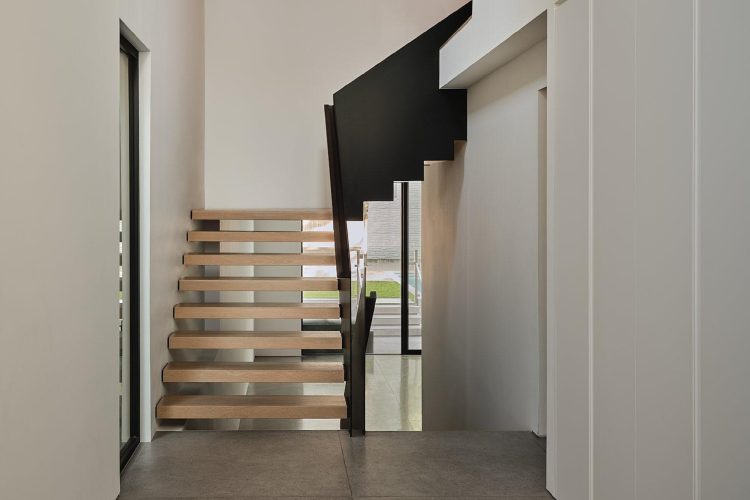
Photo: Younes Bounhar / DoubleSpace
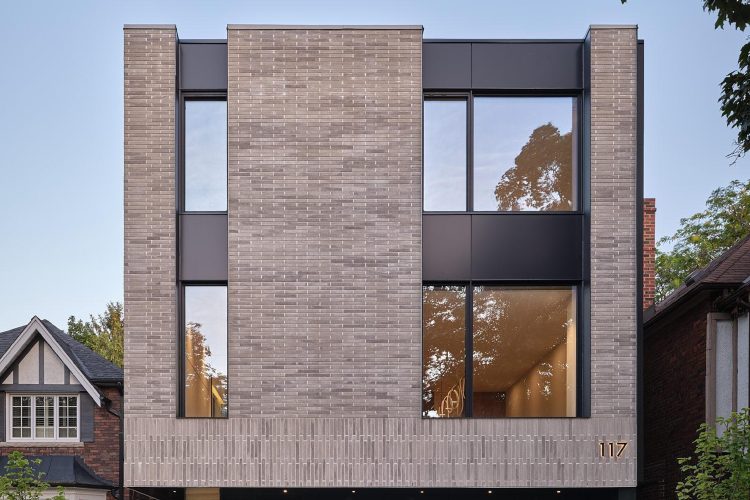
Photo: Younes Bounhar / DoubleSpace
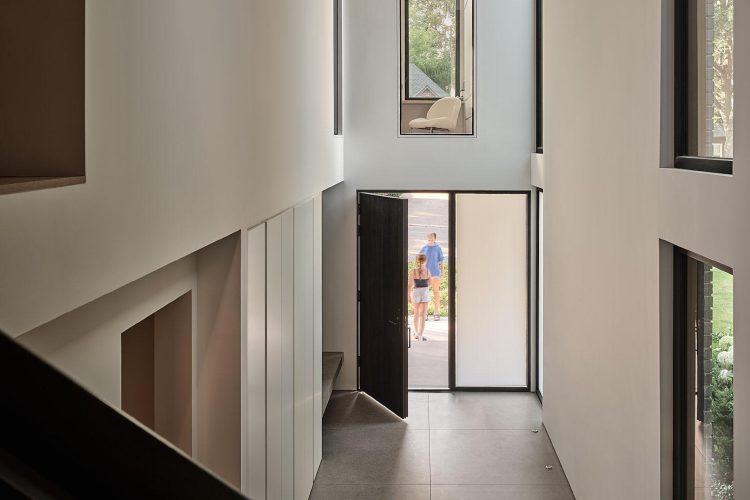
Photo: Younes Bounhar / DoubleSpace
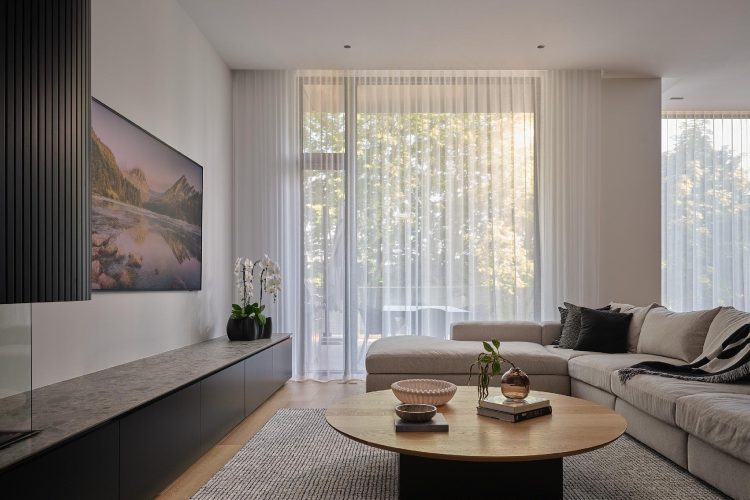
Photo: Younes Bounhar / DoubleSpace
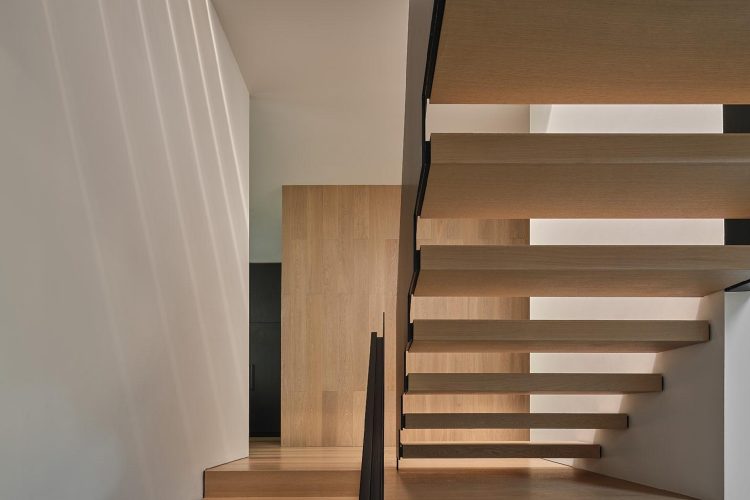
Photo: Younes Bounhar / DoubleSpace
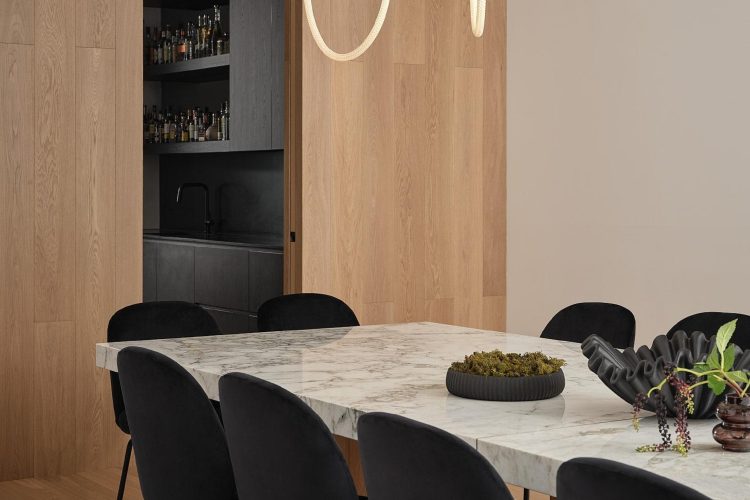
Photo: Younes Bounhar / DoubleSpace
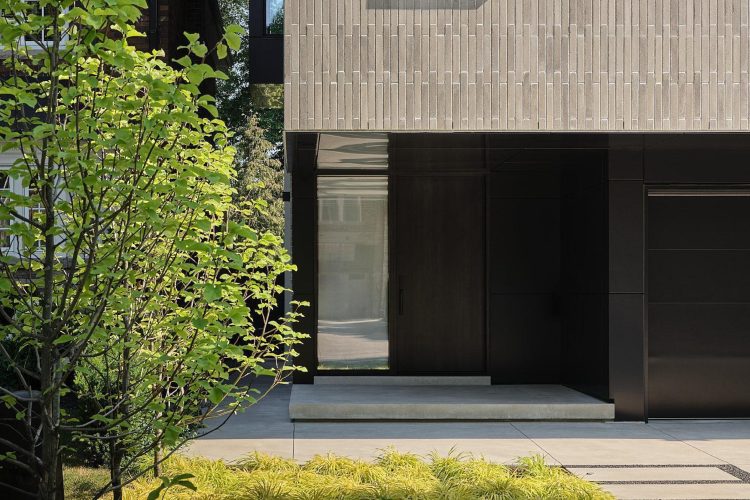
Photo: Younes Bounhar / DoubleSpace
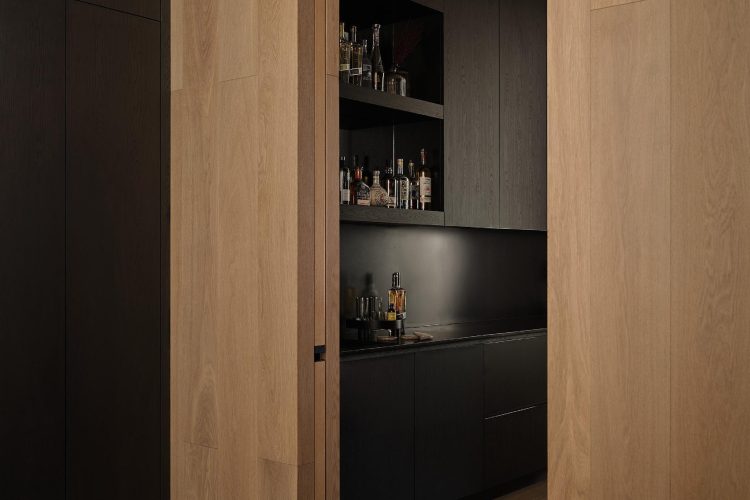
Photo: Younes Bounhar / DoubleSpace
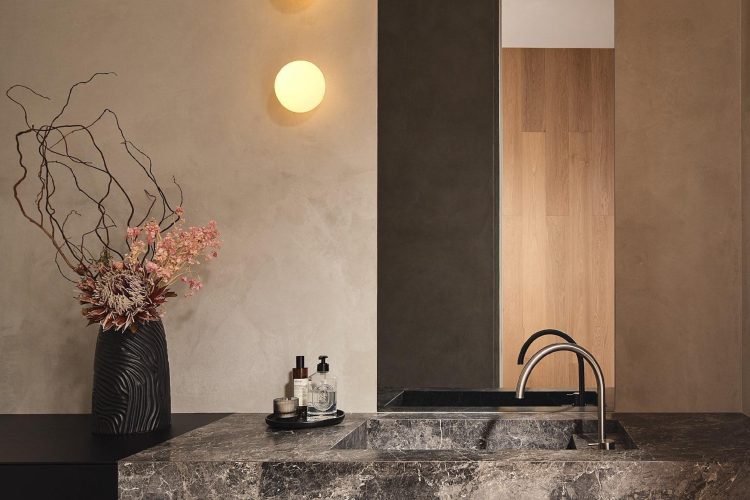
Photo: Younes Bounhar / DoubleSpace
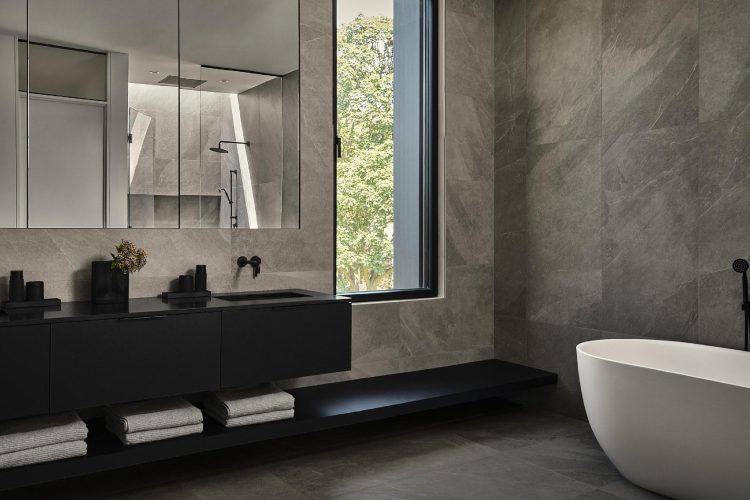
Photo: Younes Bounhar / DoubleSpace
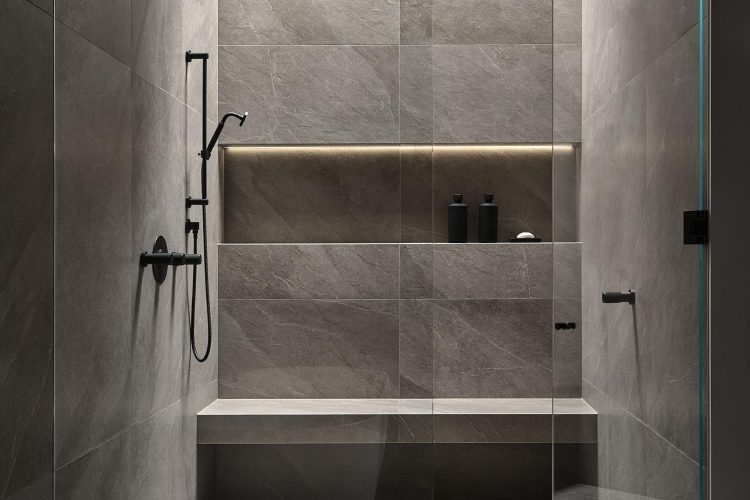
Photo: Younes Bounhar / DoubleSpace
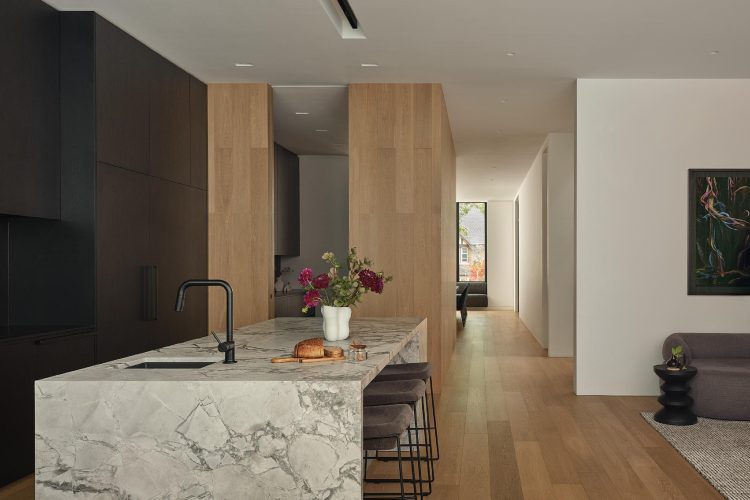
Photo: Younes Bounhar / DoubleSpace
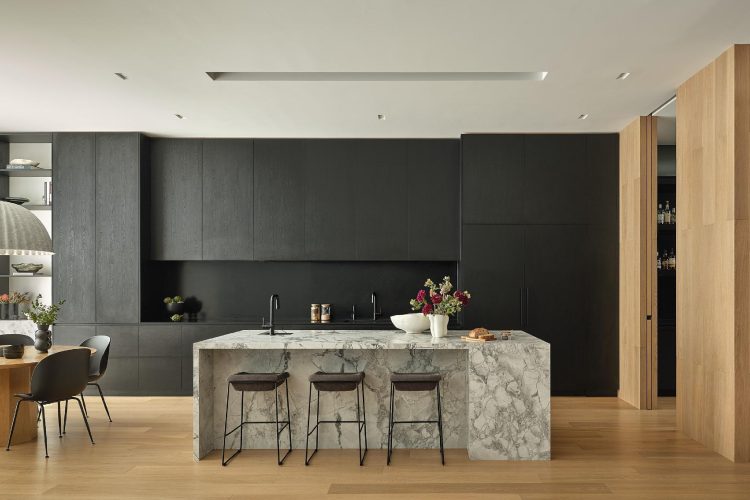
Photo: Younes Bounhar / DoubleSpace
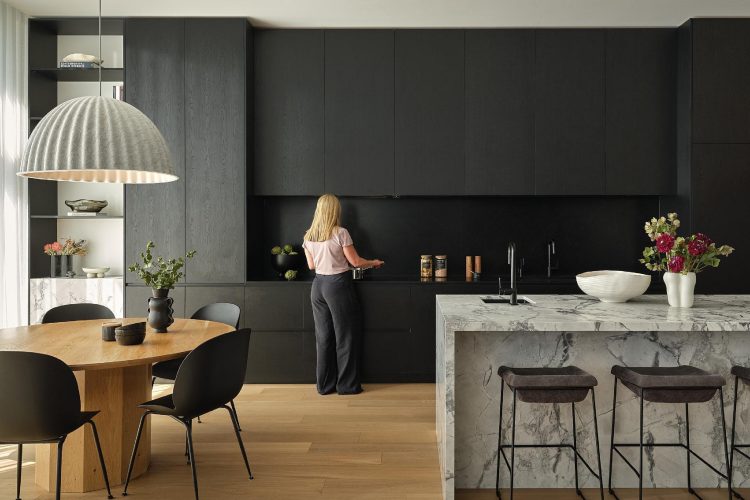
Photo: Younes Bounhar / DoubleSpace
More photos
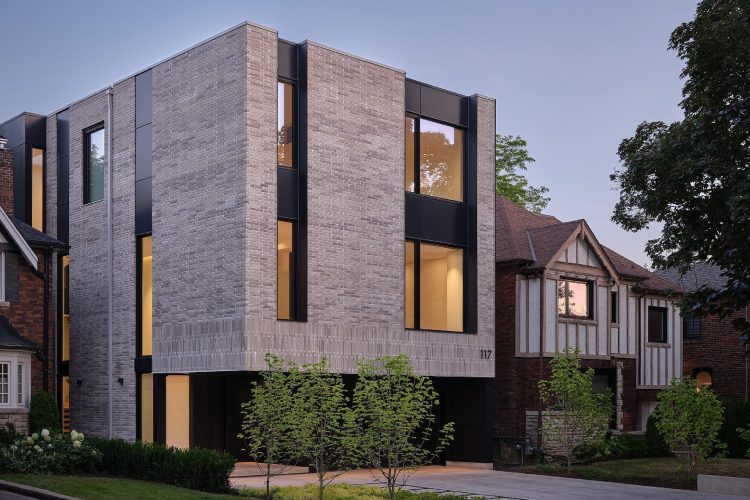
Located in a quiet neighborhood of Toronto, House 117 is a residential project designed by Izen Architecture Inc. and DS Interiors Inc., representing a sophisticated fusion of architecture, interior design, and carefully selected materials.
The residence stands out through its clear architectural form, precise detailing, and a thoughtfully considered relationship between light and space. The exterior is defined by clean lines and a striking brick façade. A distinctive feature is the use of elongated grey bricks, which are twice the length of standard bricks, giving the façade a stretched and rhythmic character. In the lower portion of the volume, the bricks are placed vertically, introducing a subtle shift in texture that further emphasizes the elevated arrangement of the floors.
Recessed windows framed with precise metal detailing reinforce the minimalist aesthetic. This restrained material palette continues inside the house, where black metal plates reappear as a visual motif—from exterior accents to the sculptural railing of the central staircase.
The interior is organized around a central staircase that connects all levels and acts as the main spatial anchor of the house. It functions as a vertical axis through which natural light flows downward, entering through carefully designed openings and architectural cuts within the structure.
Although the main floor plan is slightly elevated, the entrance is located almost at ground level, creating a welcoming and understated arrival experience. In this project, light is treated as a fundamental architectural element. Strategic cuts in the building’s volume allow daylight to penetrate deep into the interior, continuously transforming the atmosphere of the space throughout the day.
One of the most striking details appears in the primary bathroom, where a skylight positioned directly above the shower turns an everyday ritual into an almost theatrical interplay of light and space.
The interior design is shaped by a subtle balance between warmth and minimalism. Wooden floors introduce comfort and softness, while on the main floor the same material extends vertically along a central volume, creating a gentle spatial division between different functional zones.
This architectural gesture allows for an open-plan layout while still maintaining a sense of clearly defined spaces. Wood surfaces continue through tall sliding doors that can be fully concealed within the walls, providing flexibility between open and enclosed configurations.
Attention to detail is evident throughout the project. Baseboards are nearly invisible, integrated into minimal joints between wall and floor, while lighting fixtures are fully embedded into the ceiling, leaving no visible frames.
The kitchen introduces a strong visual contrast through the dominance of dark materials. Black veneer cabinetry, a black granite countertop and backsplash, as well as an integrated sink and matte black fixtures create a sleek and contemporary composition.
Opposite these darker surfaces stands a natural stone kitchen island with expressive veining, bringing texture and visual softness to the space. Large floor-to-ceiling glass panels flood the interior with natural light, ensuring that the dark palette remains sophisticated rather than heavy.
The family room, directly connected to the kitchen, features a three-sided gas fireplace framed by curved ribbed panels that appear to float above the floor. The dining area is designed to accommodate up to eighteen guests, with a central table crafted from two massive slabs of natural stone.
Above the table hangs a sculptural LED pendant resembling a glowing rope, adding a playful and artistic element to the otherwise disciplined material language of the interior.
In the guest powder room, the atmosphere becomes more dramatic thanks to concealed ambient lighting, a smoked mirror, and walls with a concrete-like texture. A floating natural stone sink further emphasizes the luxurious character of the space.
The primary bathroom is conceived as a serene spa-like environment. Large-format tiles cover both floors and walls without interruption, while a floating vanity topped with black granite and black porcelain basins continues the material palette present throughout the house.
The combination of natural materials, precise details, and abundant daylight creates an atmosphere that feels both luxurious and comfortable for everyday living. The architecture of House 117 successfully connects interior spaces with the surrounding environment, introducing landscape and natural light as integral elements of the living experience.
The result is a home that is not merely an architectural object, but a carefully crafted living environment—where light, materials, and space merge into a harmonious whole.